
Illustration photo, source: Business Lease with the first spring rays is thinking many drivers and companies not only when to change, but also if instead of classic, for example, to year -round tires or not to use advanced technologies allowing, for example, a range even after pressure loss. What are the options in this field? When and how to change correctly? And how do they take care of the tires while driving or storage to endure as long as possible? The summary of this topics was prepared by Lukáš Šícha, a specialist in Business Lease, a specialist in operational leasing. When the right time to change the summer tires is worthwhile when temperatures permanently exceed 7 ° C, which usually occurs at the end of March or April. It is better to wait for April so that you are not surprised by unexpected spring frosts. But do not delay until late spring, because winter tires are more faster at temperatures above 10-12 ° C and deteriorate their properties. What the most common errors when moving them to avoid about a week after the change, it is good to check the pressure to see if everything is fine and all tires are inflated as recommended on the vehicle. Also, it is not worth leaving old valves. These can wear and cause air leaks with age – it is better to give new ones with each tire replacement. If you replace the complete wheels – ie discs and tires – yourself, you can always leave tires to the vehicle in the tire service before fitting. Even a small imbalance can lead to vibration and uneven tire wear, which shortens their life. Is all year round tires? They can pay off if you drive only in Prague or Brno and the surrounding area. You do not have to worry about snow in a large city and at least save on changing every six months. But if you have larger raids, you travel more often on the highway or sometimes head to the mountains, prefer classics. For example, year -round rubber do not have as much adhesion as classic winter, more threatening to slip wheels. And even in the summer you do not expect a perfect driving experience. It is simply a compromise. Tread depth: Law versus Reality Legislation sets a minimum tread depth at 1.6 mm for summer and 4 mm for winter tires. But beware, for example, at 2 mm for summer tires, the adhesion to the wet can deteriorate and the braking distance extends up to several meters. When evaluating the condition of the tire, do not focus only on the tread pattern: it can still be fine, but if the rubber has stoned edges or is otherwise damaged, it is time to replace.
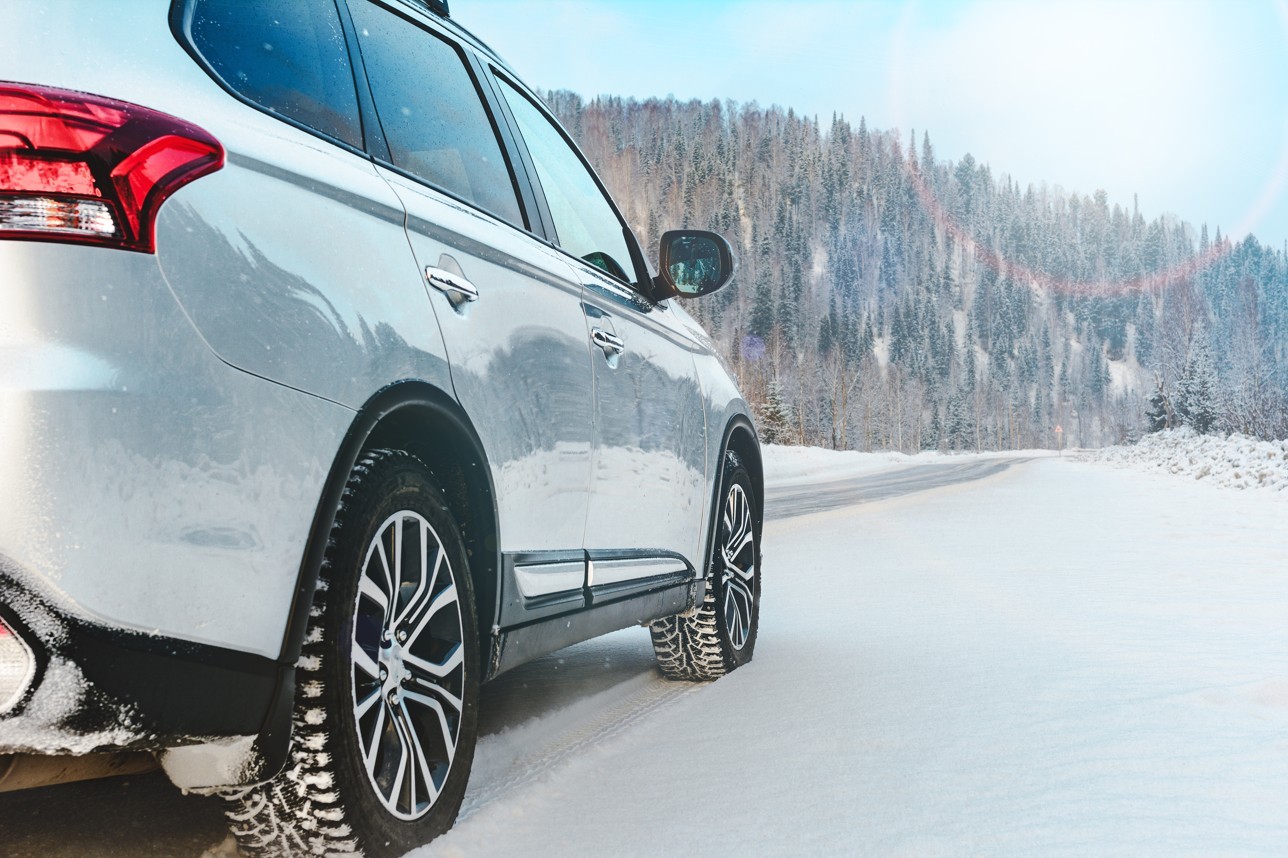 Illustration photo, source: Business Lease How to ride so that tires can withstand smooth starts as long as possible, sensitive braking and smooth cornering minimize tire wear. The aggressive ride not only shortens their lifetime, but can also lead to uneven descent. For example, frequent steep starts cause higher tread wear, which can lead to unbalanced driving and vibrations. Otherwise, the front tires usually come down faster due to cornering and braking. Therefore, you can drive them every 10,000 km between axles, extend their life and ensure more stable driving characteristics. Frequently check the pressure of underinflated tires increase rolling resistance, leading to higher fuel consumption – up to 5 % – and faster tread wear. Conversely, overwhelmed tires worsen the adhesion and can cause uneven wear of the center of the tread. Beware of proper storage of perfect storage does not affect the negative life of tires should be guaranteed in the tire service. But if the owner of the car or the company wants to save, they often choose storage in their own premises. If the rubber is on the discs, store them suspended or laid on top of each other. Separate tires without discs are then ideal to store in a vertical position and sometimes rotate them. Inappropriate storage – for example in the sun, near chemicals or at high humidity – can cause the mixture and cracking or deformation of the tire.
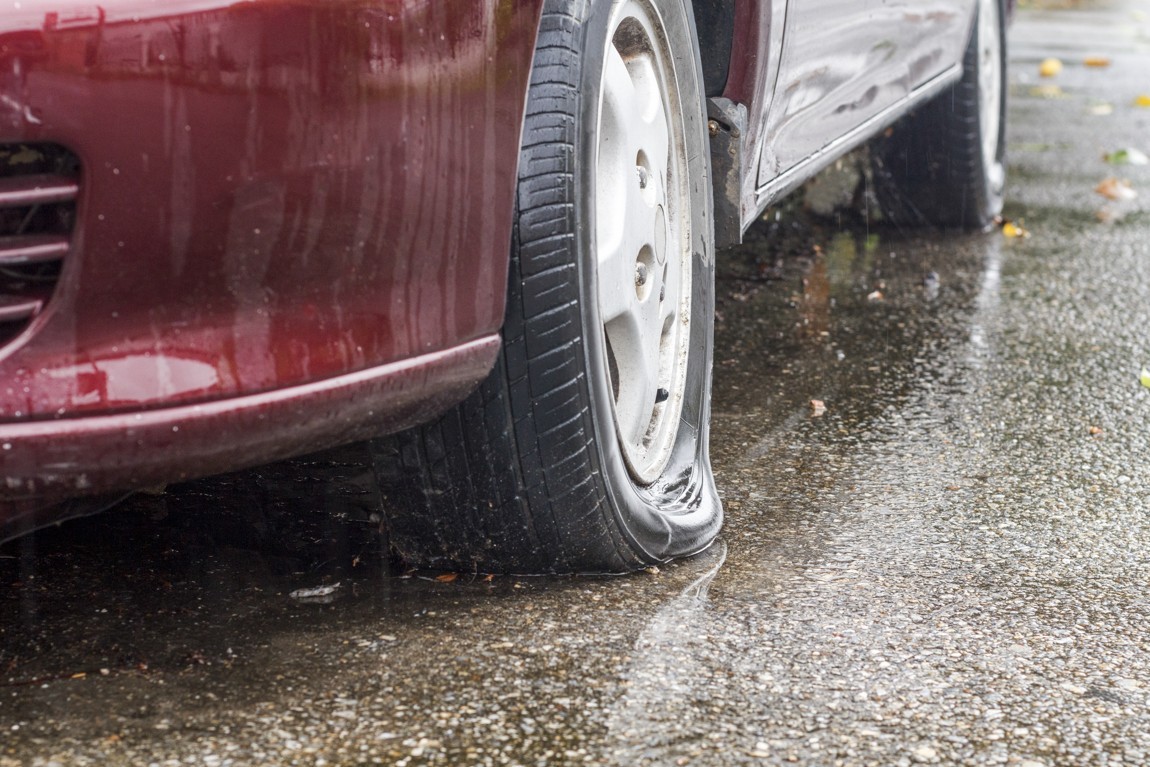 Illustrative tire deformation, Source: Business Lease selection of new tires: Don't buy just by price, not that cheap tires from the Internet are necessarily less safe than more expensive brands. Yes, they may have worse grip, longer braking distance and shorter life. But the main difference is the comfort of driving – if you drive a lot on the highway, it pays to invest more and you have a more comfortable, quieter ride. Also, when trying to save on tires, be careful not to pay all the more for fuel: better rubber thanks to lower rolling resistance will ensure lower consumption. Carefully study its label when choosing a tire, where you will find all important information. What can smart tires? With the development of car digitization, tires are becoming an increasingly sophisticated part of and fleet management. Modern TPMS systems and integrated sensors today make it possible to monitor not only pressure but also temperature, tread depth and mechanical stress in real time. This pays off not only to individual drivers, but also to companies that can achieve significant fuel savings and extend the life of tires by introducing these systems. Otherwise, for premium brands, you can still find RFT technology-tires that guarantee a range of 50-80 km after stinging. Or on the technology of self -axle rubber based on the principle of a self -existing mixture that can seal small defects. The next step in the development is immensable tires that do not contain air, but instead use a solid structure consisting of elastic slats or polymer plates.