
Bitcoin and resistance. 15 years ago this week, WikiLeaks took the plunge. And with it, Bitcoin changed its status for the first time: from an experimental tool to an instrument of financial resistance. Satoshi Nakamoto, founding father of Bitcoin, lost sleep over it. In this third article of Crazy Crypto Storieswe are taking a small step aside compared to the first two weeks. Last week, we talked about the Mt. Gox hack and bitcoin falling to a penny. The week before, Laszlo’s two pizzas and his 10,000 BTC went to pepperoni. Today, we remain in 2011, but we are moving from the world of traders to that of whistleblowers. And we discover how Bitcoin almost died not from a hacker, but from its own political glory.
Wikileaks: The alert that started it all
Little flashback. We are at the end of 2010. WikiLeaks releases hundreds of thousands of US diplomatic cables. The reaction was overwhelming: Visa, Mastercard, PayPal and Bank of America unilaterally cut off donations to Julian Assange’s organization in December 2010, without a court decision, due to simple political pressure. Millions of dollars in donations are blocked. WikiLeaks is suffocating financially. It is in this context that a user of the Bitcointalk forum proposed, in December 2010, that WikiLeaks accepts bitcoin donations. The idea is attractive: decentralized, uncensored, impossible to block. She makes her way quickly.

“I wanted to send a letter to Wikileaks regarding Bitcoin because unfortunately they have had several incidents where their funds have been seized in the past. »
Source
Satoshi Nakamoto’s response
Satoshi Nakamoto, still active on Bitcointalk at the time, reacted with a unusual feverishness for someone so discreet. He writes directly in the discussion thread:

“No, don’t look for trouble. The project should develop gradually so that the software can be improved over time. I appeal to WikiLeaks: do not try to use Bitcoin. Bitcoin is a small beta community still in its infancy. You would only get crumbs out of it, and the reactions you would provoke could destroy us at this point. »
Source
This is one of his last public messages. A few weeks later, he disappeared for good, handing over to Gavin Andresen in an email dated April 26, 2011, the content of which was made public by Gavin himself. His fear is real and lucid: if Bitcoin becomes WikiLeaks’ tool, governments will take a very close interest in it. Too early. The protocol is not yet ready to handle this pressure.
June 2011: WikiLeaks takes the plunge
Satoshi is no longer there to protest. In June 2011, WikiLeaks officially announces accepting bitcoin donations via its site. The effect is immediate: a wave of new users are discovering Bitcoin no longer as a technological curiosity, but as a tool for concrete financial resistance.
L’Electronic Frontier Foundation, American non-profit organization founded in 1990 in San Francisco and one of the main defenders of civil liberties in the digital age she took the opposite route: she stopped accepting bitcoins that same month, judging the situation legally and symbolically too uncertain. It resumed Bitcoin donations in 2013 and still accepts them today. These two diametrically opposed reactions to the same event foreshadow all the debates to come on the nature of Bitcoin: weapon of freedom or regulatory risk?
Bitcoin, always stronger
What Satoshi feared happened, and Bitcoin emerged stronger. THE regulators are interested in cryptocurrencyAmerican senators called for investigations, but the tree was already too big to be cut down. The irony of history: perhaps it was this moment of maximum tension that gave Bitcoin its lasting political legitimacy. A tool that is sufficiently threatening for us to want to regulate it becomes, almost mechanically, a tool that we can no longer ignore.
Julian Assange: a fight that continues
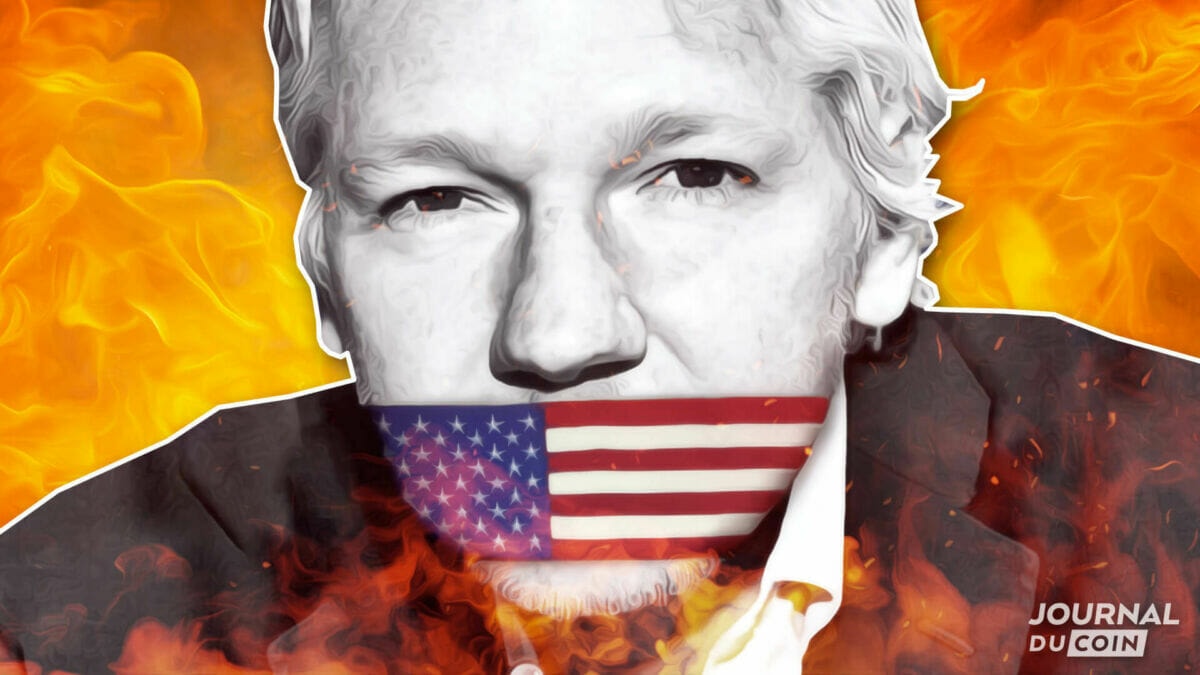
Julian Assange, emblematic figure of this saga, finally found freedom in June 2024 after years of detention. His fierce fight for transparency and against state surveillance marked an entire generation of defenders of digital freedoms. Bitcoin allowed it to survive financially where traditional institutions had tried to stifle it. But that’s another story. See you next week!